 Sort ingredients
 jadedmay
 QR Code
 Listen
 Pdf
Pdf
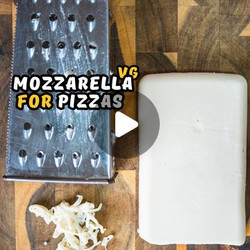
Try this magic homemade vegan mozzarella perfect for your pizza nights!
Eco-friendly, wallet-friendly, and utterly delicious!
Kappa Carrageenan, derived from seaweed, is a food-grade polysaccharide used for its thickening and stabilizing properties in many vegan products, including vegan cheeses.
Despite its long history in cooking, misconceptions about its safety persist, largely due to misinterpretation of research.
The main source of controversy comes from studies by Dr. Joanne Tobacman. However, these studies primarily focused on a degraded form of carrageenan (poligeenan) not used in food.
It's crucial to note that food-grade carrageenan and poligeenan are distinctly different substances. Poligeenan undergoes a harsh chemical process, making it unsuitable for food use, whereas food-grade carrageenan is safe and has been consistently approved by regulatory agencies.
Concerns that food-grade carrageenan causes digestive issues or is carcinogenic are not backed by any scientific evidence. In fact, carrageenan has been safely consumed for centuries and is part of the vegan diet's innovation, widely used in supermarkets product, so I'd love for you to learn how to work with this and many more unfamiliar products that are offering textures and qualities similar to traditional animal products.
As with any ingredient, individual sensitivities may vary. However, the overwhelming scientific consensus supports the safety of food-grade carrageenan in culinary uses.
Kappaphycus alvarezii, a type of red seaweed used to produce kappa carrageenan, has even been studied for its possible health benefits, including anti-cancer activity.