 Sort ingredients
 darthjoker1965
 QR Code
 Listen
 Pdf
Pdf
Proof Your Yeast: Begin by dissolving the active dry yeast in 1½ cups (360 ml) of warm water. Give it a gentle stir and allow it to sit for about 5 minutes until it becomes frothy. The warm water should feel like a soothing bath, not hot, to touch.
Mix Dry Ingredients: In a large bowl, whisk together 4 cups (500 g) of bread flour and 2 teaspoons (10 g) of salt. This ensures an even distribution of salt, which balances the flavor of your bread.
Combine Wet and Dry: Form a well in your flour mixture and pour in the yeast mix and 2 tablespoons (30 ml) of olive oil. Gently mix with your hands or a wooden spoon to form a sticky, cohesive dough. Embrace the mess; it’s part of the magic.
Knead the Dough: Transfer the dough to a floured surface. Knead it for about 10 minutes until it becomes smooth and elastic. If the dough sticks to your hands, dust a little flour over it. As you knead, feel the transformation—silky and soft.
First Rise: Place the kneaded dough in a lightly greased bowl. Cover with a damp cloth and let it rise in a warm spot for 1 to 2 hours or until it doubles in size. The aroma from the yeast will be subtly sweet and inviting.
Shape the Loaf: Gently deflate the dough by pressing down lightly. Divide the dough into two pieces and shape each into an oval or slipper-shaped loaf. Handle with care to preserve the air bubbles; these will give the ciabatta its unique texture.
Second Rise: Place the loaves onto a parchment-lined baking sheet. Cover with a towel and let rise for another 30 to 45 minutes. During this time, prepare yourself for the anticipation of baking.
Preheat and Create Steam: Preheat your oven to 425°F (220°C). Place a shallow pan of water on the lower rack to create steam. This atmosphere helps achieve a crisp crust that ciabatta is known for.
Bake: Carefully place your risen loaves into the preheated oven. Bake for 20 to 25 minutes, or until the ciabatta is golden brown and sounds hollow when tapped on the bottom. The scent will be irresistibly fragrant.
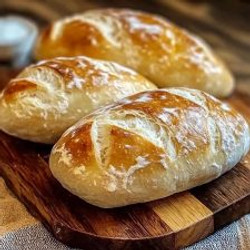
Cool and Serve: Allow the bread to cool on a wire rack before slicing. The crust should be crackly, with a light golden hue, and the inside moist with a satisfying chew—a true delight.